How to Deal with Seasonal Hair Loss
Have you noticed an increase in hairs in your shower drain recently? Don’t panic just yet. Seasonal shedding is a natural occurrence experienced by most people during the year. Shedding season usually manifests seasonally, as most people tend to lose their hair in higher numbers in the fall and early winter. Understanding how to deal with seasonal hair loss can help you manage this temporary condition effectively and maintain healthy hair year-round.
Seasonal shedding is due to natural adaptation in your response to different environmental factors during different times of the year. Just like animals shed their coats when it is about to change seasons, humans may also undergo the same patterns. Fortunately, unlike permanent causes of shedding, one can recover from shedding as it is reversible and temporary with proper care and attention. Understanding the proper handling of shedding will minimize its impact and restore your hair faster.
There are many reasons for seasonal hair loss, including changes in temperature, humidity, and daylight hours. These environmental changes could affect hormone levels and the hair growth cycle. Additionally, sun exposure during summer, chlorine in pools, and increased styling during vacation months can all harm hair, causing it to fall out more noticeably during the transition between seasons. How to deal with seasonal hair loss effectively requires understanding these triggers and implementing targeted solutions.
Don’t underestimate the psychological impact of excessive shedding. It will make you worry about the extra hairs on your pillow or brush. Remember, seasonality shedding is only for the season, and your hair will resume its normal growing cycle with proper maintenance. This article will guide you through realistic tips and preventive measures for effectively coping with seasonality shedding and having healthy-looking hairs year-round.
Understanding Seasonal Hair Loss
What happens at the beginning of the shedding season is realizing it is your natural response to environmental changes. Your physiology and hair respond to temperature, humidity, and sun exposure changes. Humans have adapted to the shedding cycle, which has increased seasonally due to this responsiveness. It would explain why so many shed so heavily in the fall after spending their hours outside during the summer or in the spring after being indoors during the winter.
Seasonal shedding is natural in the growth cycle of the hair, which involves growth (anagen), transitional (catagen), and resting (telogen) phases. There can be an increase in hairs entering the telogen stage at once due to seasonality, thereby increasing shedding in this manner. It is due to the synchronization of the cycles of the hairs that the shedding that happens seasonally is reversible in nature, not resulting in permanent baldness in most people who experience it.
What Causes Seasonal Hair Loss?
Seasonal shedding is caused in great measure due to the variation in the hours of sunlight influencing the levels of hormones, especially melatonin and prolactin. During autumn and winter, with fewer daylight hours, such hormonal changes drive more follicles into the resting (telogen) phase at once, usually leading to excessive shedding.
Environmental stress is a significant contributor as well. Summer sun damage, pool chlorine damage, and heat styling can weaken hair during the summer, with the damage showing up as transitions between seasons occur. Weather shifts can also affect the health of the scalp, and it could be a factor in shedding hair during season transitions.
When Does Seasonal Hair Loss Typically Occur?
Seasonal shedding peaks at two times, namely in late autumn (October, November) and spring (March, April). Autumn shedding generally follows environmental stresses and changes in light patterns in the summer, while spring shedding is typically due to the effect of the winter on the scalp and the hairs themselves.
It differs slightly in geography and climatic zones. Those in places with higher seasonality experience higher seasonality in shedding patterns than those in relatively uniform areas year-round. Most experience heightened shedding for approximately 2-3 months, following which growth patterns become normal again.
Signs and Symptoms of Seasonal Hair Loss
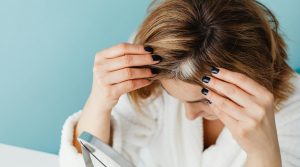
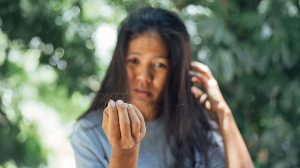
Seasonal shedding often begins with seeing more hair on your pillow, drain, or in your brush. You may be brushing out hairs on these objects more frequently than you normally would at the peak shedding times. Shedding is usually spread out diffuse across the scalp and not in clumps, so it differs from other forms of baldness. Most people have indicated that they typically shed between 50-100 hairs per day, but at shedding times, it may be as high as 150-200 hairs.
Physical changes in your hair can accompany the signs and symptoms of shedding your hair seasonally. Your ponytail may be less thick, or your hair part may be mildly widened. But you should not see big bald patches or considerable receding at the hairline, as these would be signs of some other condition.
Shedding takes place over weeks and not in an abrupt manner, and most significantly, new growth continues even as old hairs are shed, so your overall hair density is preserved despite the transitory rise in shedding.
How to Differentiate Between Seasonal and Permanent Hair Loss
Identifying season vs. permanent loss is done by observing the timing in addition to the pattern. Seasonal loss affects the entire scalp as a unit, while pattern balding will start at specific areas like the crown or temples. Seasonal loss also follows cyclical timing according to the calendar year.
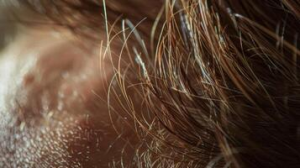
Another key difference is regrowth. For shedding seasonally, you will notice new hairs coming in as you are shedding. Check your hairline and part closely—you will likely notice fine new hairs growing in. Permanent loss has increasingly thinner regrowth or no regrowth at all. If this is unclear, photograph your hair monthly as an objective measure of changes.
Effective Ways to Deal with Seasonal Hair Loss
Adequate care for shedding season starts with tender hair care. Change your shampoos to those that don’t contain sulfates, and don’t over-shampoo, as sulfates strip your locks of natural oils, stressing out your scalp even further. Reduce heat styling and harsh chemical processing at your peak shedding season. Air dry as much as possible, but use the lowest heat level possible if using styling tools can’t be avoided. Being kinder to your locks during sensitive shedding season can significantly reduce breakage and additional shedding.
Nutritional supplementation is effective in addressing shedding season on a holistic level. Put your nutrition on par with adequate protein, iron, zinc, and vitamins A, C, D, and E, all nutrients necessary for healthy hair growth. Seasonal changes can be accommodated in your supplement routine under the supervision of a healthcare professional. For some people, increasing biotin, vitamin D, and omega-3 fatty acids during shedding-heavy times provides additional nutrition for follicles, leading to healthier new growth and perhaps even a shorter shedding season.
Best Hair Care Routines for Seasonal Shedding
The optimal hair routine for shedding season begins with gentle cleansing. Shampoo only 2-3 times weekly with lukewarm (never hot) water. Volumizing, SLS-free shampoo and conditioner for thinning hair is effective and conditions the middle lengths through ends so as not to break them.
Be gentle in your styling routine. Air-dry your hair as often as possible, and protect it before using heat-styling appliances. Steer clear of tight styling that pulls on the follicles—try loose ones instead. Try weekly scalp massages with several drops of rosemary or peppermint essential oils (in carrier oil) to stimulate circulation and healthy growth.
Recommended Products for Seasonal Hair Loss
For shedding during the season, select shampoos containing ingredients like ketoconazole, saw palmetto, or caffeine that can level out how much oil your scalp is making and support the health of the follicles. Utilize volumizing conditioners containing panthenol or biotin that can thicken your hair without weighing it down.
Leave-on products are particularly beneficial during the shedding season. Try serums containing peptides, niacinamide, or propel that strengthen the hair shaft’s structure and stimulate the growth phase. Supplements of iron, zinc, biotin, and vitamins D and B complex may also be beneficial but consult with your healthcare professional before you include them in your routine.
Natural Remedies to Reduce Hair Fall
Rosemary essential oil is among the most effective natural remedies for losing hair. It proved as effective as minoxidil in stimulating the growth of the hair. Create a weekly treatment in combination with 10-15 drops in one tablespoon of jojoba or coconut oil as a carrier, massaging it on your scalp and washing it in 30 minutes.
Aloe calms scalps that are inflamed as it moisturizes hair follicles. Treat your scalp with raw aloe gel applied directly at home twice weekly, left for 30 minutes before regular washing. Green tea rinses enhance antioxidant action—brew strong green tea, let it cool down entirely, then use it as an after-shampoo final rinse to strengthen the hair and reduce shedding.
Lifestyle Changes to Prevent Seasonal Hair Loss
Prevention of seasonal hair loss with lifestyle modification begins with stress management because excess stress results in increased cortisol levels, disturbing the hair growth cycle. Begin with daily exercise, adequate sleep, and stress-reducing activities like meditation or deep breathing exercises. Studies show that chronic stress is an essential factor in hair shedding; thus, stress reduction becomes important in preventing seasonal hair loss. Even meditation for a few minutes daily can help normalize the hormone levels affecting hair growth.
Protecting your hair from environmental stresses is another necessary habit to prevent seasonally induced hair loss. Protect your hair and your scalp from sun damage as a result of prolonged sun exposure using hats. In winter, use humidifiers to fight dry indoor heat that dries out your scalp and hair. Seasonally adjust your showering routine as well-shorter, cooler showers preserve your natural oils in your scalp, guarding your locks of hair roots for vulnerable season-changing periods.
Importance of a Healthy Diet for Hair Health
A balanced meal is essential to your hair condition during the shedding season. Hair follicles require particular nutrients in order to function optimally. Protein is the structure of the hair, so include lean meats, fish, egg, and vegetable protein in the form of lentils and quinoa in your meals. Iron makes your hair vulnerable, so eat foods with high iron levels, like spinach, liver, and pumpkin seeds.
Understanding that healthy eating is key to healthy hair dictates that specific vitamins and minerals are the key. Zinc deficiency is experienced as excessive shedding, so include oysters, pumpkin seeds, and beef in your regimen. Vitamin C helps absorb iron and build collagen, making hair shafts healthier—citrus fruits, berries, and peppers are excellent sources. Fatty fish, walnuts, and flaxseeds contain omega-3 fatty acids, which reduce inflammation and help maintain follicles’ health.
Managing Stress to Minimize Hair Fall
Effective stress management is about identifying your main sources of stress and instituting specific mechanisms for handling them. Common underlying causes of long-term stress that affect the health of your own hair include work stress, economic issues, and relationship issues. Setting boundaries, effective time management, and support can reduce these sources of stress at their inception.
Use effective stress-reducing mechanisms in your life. Two five-minute meditation sessions or slow breathing can reduce cortisol levels, leading to baldness. Low-intensity or high-intensity yoga through exercise can stimulate the release of endorphins that cancel out the effects of stress hormones. Sleep adequately as lack of it increases cortisol; take 7-8 hours each night following regular sleeping hours and relaxing pre-sleeping activities.
When to See a Doctor for Hair Loss
How often you should see your doctor for hair loss is determined based on some differentiating features of regular shedding season vs. possibly dangerous problems. If your loss is abrupt, as opposed to gradual, if you are losing clumps of hair rather than overall thinning or shedding that goes on for greater than 2-3 months without any appearance of growth, see the medical professional. Pain, itching, redness, or scalp scaling are other symptoms that warrant a doctor’s visit because they can indicate problems like fungal infections or autoimmune diseases.
Specific hair loss patterns should lead you to consider making an appointment with the doctor about your hair loss with greater urgency. If you experience weight loss or weight gain without clear reasons, fatigue, irregular rhythm of your heart, or changes in bowel habits, these are signs of thyroid disease or nutrition deficiencies that require medical attention. Women who exhibit excessive hirsutism in the face and hair loss on the scalp should be evaluated for endocrine imbalances. Consider this: the earlier you act, the better your outcome will be, so do not be afraid to seek professional consultation if your pattern of hair loss is abnormal or distressing.
Treatment Options for Severe Hair Loss
Medical treatments for excessive shedding include FDA-approved medications like minoxidil (Rogaine) and finasteride (Propecia). Minoxidil, in various concentrations, is found over the counter, while it works on prolonging the growth stage as it increases blood flow to the follicles. Finasteride, a prescription medication for primarily men, blocks the activity of the DHT hormone that causes pattern baldness.
For severe cases, platelet-rich plasma (PRP) treatment, in which your own concentrated platelets are injected into your scalp to trigger growth factors, can be recommended by dermatologists. Another non-surgical solution is low-level laser therapy using an advanced device, which increases cellular metabolism and blood flow within the follicles. If you are an appropriate candidate, hair transplantation is a permanent solution.
Seasonal shedding, frightening as it is at the moment you discover your excessive shedding, is a natural occurrence that will pass once proper care is observed. Knowing the causes, being in tune with the symptoms, and following the procedures in this guide can bring this relative condition under control. Remember that regularity in your hair care routine, proper nutrition, stress reduction, and shielding your hair from environmental factors ensures maximum protection for your locks against excessive shedding seasonally.
The secret to effective management of seasonal hair loss is patience and proactiveness. Be lavish by nurturing a healthy scalp atmosphere, reinforcing current hair, and encouraging new growth with external applications and internal reinforcement. Above all, don’t let temporary shedding impact your confidence level—with proper care; your hair will be strong and healthy every season. If concerns lie outside the normal ranges within the season, don’t hesitate to consult a healthcare provider for individualized guidance and treatment regimens.
FAQs
How much hair loss is normal during seasonal shedding?
Losing 50-150 hairs daily is normal, but this can increase to 150-200 strands during seasonal shedding. If you’re losing significantly more or notice bald patches, consult a healthcare provider, as this might indicate a different condition.
Can seasonal hair loss lead to permanent baldness?
No, actual seasonal hair loss doesn’t cause permanent baldness. It’s a temporary condition where hair returns to regular growth cycles after the shedding period. If hair doesn’t regrow after 2-3 months, consult a professional as other factors may be involved.
Does seasonal hair loss affect men and women differently?
Women often notice more pronounced seasonal shedding due to hormonal fluctuations that interact with environmental triggers. Men may experience less obvious seasonal changes but might confuse seasonal shedding with male pattern baldness, which follows a different pattern.
What vitamins should I take for seasonal hair loss?
Biotin, vitamin D, iron, zinc, and B-complex vitamins can support hair health during seasonal shedding. However, only supplement after confirming deficiencies through testing, as excess supplementation won’t necessarily improve hair growth and could cause side effects.
Can changing seasons affect hair texture as well as cause shedding?
Yes, seasonal changes in humidity and temperature can alter hair texture temporarily. Summer humidity often causes frizz, while winter dryness can make hair brittle. Using season-appropriate conditioning treatments helps maintain consistent texture through environmental changes.