How is Physical Fitness Different from an Active Lifestyle
Understanding how is physical fitness different from an active lifestyle can transform your approach to health and wellness. While most individuals loosely use these terms interchangeably, they are two distinct phenomena with different characteristics and benefits. While physical fitness aims at quantifiable measurable results through systematic exercise regimens, an active lifestyle entails regular movement and healthy choices in your regular lifestyle.
It is significant as it dictates how you approach planning your pursuit of well-being. Physical fitness typically implies systematic exercises specifically designed to build muscle, build cardiovascular endurance, or achieve maximum flexibility. The exercises typically require definite time intervals, the appropriate equipment, and even expert presence to oversee the optimal outcome.
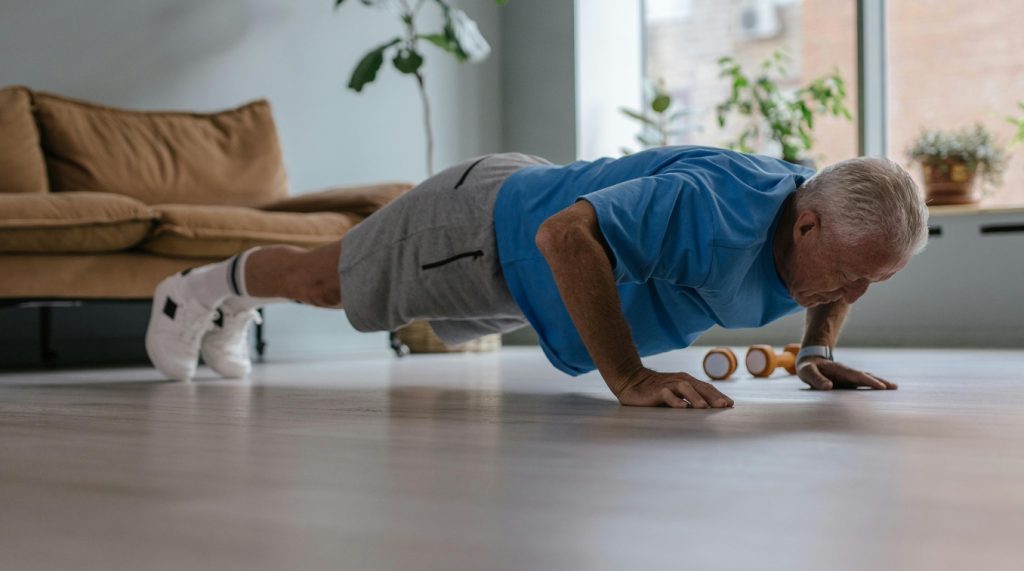
A lifestyle of activity, in contrast, integrates movement naturally into daily activities without necessarily sticking to formalized exercise routines. It prioritizes regularity over intensity and is consequently better suited to sustaining long-term wellbeing. By identifying the distinction between an active lifestyle and physical fitness, you can now make a wise decision on which approach best suits your objectives, timetable, and individual habits.
Physical Fitness Components and Measurements
Physical fitness is measured and built using measurable indicators of health, which can be monitored and built using prescribed training protocols. The systematic approach invokes five aspects: cardiovascular endurance, muscle strength, muscle endurance, flexibility, and body composition. There is an exercise for every element and progressive overload to build measurable improvements in it.
Fitness testing employs standardized tests to assess your current level and track progress over time. A few of those tests include VO2 max for a test of cardiovascular fitness, one-rep max for strength testing, and body fat percentage for composition. Professional testing provides precise information used in the creation and modification of programs.
Active Lifestyle Daily Habits and Routines
Active lifestyle habits and daily routines concentrate on incorporating movement into everyday timetables rather than setting aside dedicated workout sessions. They involve using stairs instead of elevators, walking during calls, parking in far locations, and engaging in active hobbies like gardening or dancing. These small changes accumulate to make a significant health difference in the long run.
The wonderful thing about active daily living habits is that they are accessible and sustainable. You don’t need to have access to gym memberships, specialized equipment, or big blocks of time to maintain an active habit. Small modifications to daily routines can increase energy expenditure and overall health without impacting your existing schedule.
Exercise Intensity Versus Movement Frequency
Exercise intensity vs. movement frequency is one of the key distinctions between philosophies of active living and fitness training. High-intensity exercise pushes your body’s systems to adapt and work more effectively through targeted stress and recovery phases. These workouts take 30-90 minutes and are effort and concentration-intensive.
Frequency of movement emphasizes frequent, moderate movement during the day rather than brief, intense movements. This model replicates normal human movement and reduces the risk of overuse injuries while maintaining a steady energy level.
Cardiovascular Endurance Training Methods
Cardiovascular endurance training methods include formal protocols such as interval training, steady-state cardio, and circuit training. These protocols induce specific heart rate zones to promote enhanced oxygen delivery and utilization. Both elite competitors and recreational participants use these protocols to improve performance benefits.
Conventional cardiovascular training requires committed time and often special machinery, such as stationary bicycles or treadmills. Both the length and the intensity are specifically engineered to elicit certain adaptations.
Strength Training Versus Functional Movement
Strength training versus functional movement accentuates two divergent approaches to building muscle and development. Traditional strength training utilizes progressive overload through weights to increase peak force production. Functional movement focuses on natural movements used during daily activities.
Strength training is typically performed in the gym using specialized equipment and planned rep ranges. Functional movement is done anywhere with body weight or household items as resistance.
Flexibility and Mobility Requirements
Formal exercise programs and active lifestyles require varied flexibility and mobility needs. Exercise programs usually include planned stretches and mobility exercises to address specific limitations. Activities of daily living promote natural joint motion through varied daily activities.
Formal flexibility training uses static and dynamic stretching protocols with the assigned progressions and hold times. Daily movement naturally promotes joint health by encouraging varied movement patterns.
Health Benefits Comparison Between Approaches
A comparison of the health advantages across methods indicates active lifestyles and fitness training both yield their own benefits for overall wellbeing. Official fitness training is superior at creating rapid, measurable changes in the strength, endurance, and body composition categories. Fitness training may correct the subject’s specific health-related problems and sporting performance goals through targeted interventions.
Active living provides consistent, moderate gains in health over decades without the stress of peak training. The approach reduces the risk of disease over time, improves mental wellbeing, and establishes quality of life through sustainable practices that don’t require periods of recuperation.
Mental Health Impacts of Both Approaches
Both sport and exercise carry mental outcomes that have specific benefits for mental well-being. Intensive exercise training creates endorphins and provides the feeling of attainment success. It can, however, cause tension and anxiety over performance as well as body image.
Active living supports day-to-day mood stabilization and reduction of stress by means of daily low-intensity activity. It is less prone to cause exercise-induced anxiety and perfectionism.
Time Commitment Differences
Time differences significantly influence each approach’s sustainability. Official exercise programs typically require a dedicated exercise time of 3-6 hours per week, along with travel to and from the centers and pre-exercise preparation. Maintaining this time commitment may be difficult with busy lifestyles.
Active lives integrate activity into daily routines and don’t require additional time. The simplicity of this does not intrude on lifestyle very much and permits long-term viability.
Creating Balance Between Fitness Goals and Activity
The balance between activity and exercise objectives allows you to get benefits from both approaches without overscheduling and exhausting yourself. Most successful fitness enthusiasts integrate scheduled exercise for specific aims and frequent active routines for overall health. Such a two-pronged approach provides the greatest rewards for health while promoting sustainability.
The secret to successful balance is recognizing your priorities, time available, and current level of fitness. You may emphasize formal fitness at some stages of your life and active living at busier stages. Mental flexibility prevents all-or-nothing thinking, which typically results in giving up the quest for health altogether.
Cost Considerations for Each Approach
Financial investment in the two processes means high expenses for active lifestyles and exercise routines. The gym, personal trainers, and specialized equipment result in high monthly charges. Professional exercise routines often entail ongoing expenditures on facilities, equipment, and supplements.
Active living usually requires no more than good shoes and proper weather attire. Walking, hiking, and bodyweight exercises are all no-equipment, no-membership activities.
Common Misconceptions About Fitness and Lifestyle
Common myths about fitness and lifestyle discourage people from embracing the approach most appropriate to their condition. Some believe that only high-level, formal exercise provides real health benefits, while others believe that recreational activity alone is sufficient for any health goal. Neither of these extremes takes into account the real complexity of how different methods are used for different reasons.
Another prevalent myth is the need to choose one approach or the other to the exclusion of the other. In reality, the best long-term health plans often borrow from both formal exercise and active living to create comprehensive wellness plans that adapt to the changing circumstances of life.
What is the main difference between physical fitness and an active lifestyle?
Physical fitness focuses on structured exercise with measurable goals, while active lifestyle emphasizes daily movement integration.
Can you combine physical fitness training with an active lifestyle approach?
Yes, combining both approaches maximizes health benefits while maintaining sustainability and addressing specific fitness goals effectively.
Which approach is better for busy professionals with limited time?
Active lifestyle suits busy schedules better as it integrates movement into existing routines without requiring dedicated workout time.
Do you need expensive equipment for physical fitness versus active living?
Physical fitness often requires gym memberships and equipment, while active living needs minimal investment beyond comfortable shoes.
How do mental health benefits differ between structured fitness and active lifestyles?
Structured fitness provides intense endorphin releases, while active living offers steady mood regulation and stress reduction benefits.
Understanding how physical fitness and an active lifestyle are different provides you with the ability to make the appropriate choices for your health path. Physical fitness excels at creating specific, quantifiable improvements with structured training, while active lifestyles excel at building enduring health by way of daily activity. Both offer a great many advantages, and what is optimal for you depends on your goals, schedule, and individual tastes.
The best long-term strategy usually borrows from both methods so that you can make some fitness strides while keeping an active base. Whether you prefer structured fitness, active living, or a combination of the two, the key to long-term health benefits is consistency. Bear in mind that a little activity is always better than nothing and that the best strategy is one that you can sustain over time.